
Private Ballet Classes Miami: A Guide to One-on-One Dance Training
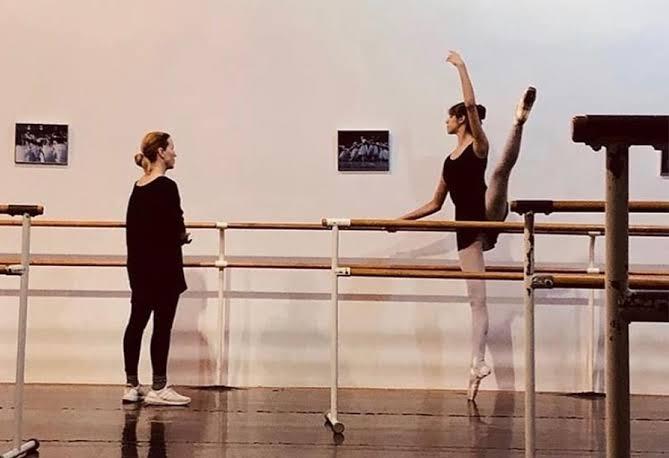
Private Ballet Classes Miami offer a focused approach to dance education for students who benefit from individualized instruction. Unlike group sessions, one-on-one training gives an instructor more time to observe technique, identify areas for improvement, and adapt exercises to the dancer's current abilities.
For beginners, private lessons can create a comfortable introduction to ballet fundamentals. More experienced dancers may use individualized coaching to refine alignment, musicality, flexibility, strength, or performance quality. With the right instructor and structured approach, personalized training can complement regular classes while helping dancers develop greater confidence and consistency.
What Makes Private Ballet Training Different?
Traditional ballet classes provide valuable group experience, but instructors must divide their attention among multiple students. Individual training changes that dynamic.
During a private lesson, the instructor can closely evaluate a dancer's posture, foot placement, turnout, balance, coordination, and movement quality. Exercises can then be adjusted according to the student's needs rather than following one routine for an entire class.
This personalized structure can be particularly useful when a student:
- Is completely new to ballet
- Needs additional support with foundational technique
- Wants to prepare for an audition
- Is working toward a performance
- Needs help correcting recurring technical habits
- Wants to advance at a different pace
- Requires focused preparation for ballet examinations
- Wants additional practice alongside group classes
The main advantage is not simply more attention. It is more relevant attention directed toward the dancer's specific goals.
Who Can Benefit From Private Ballet Classes Miami?
One-on-one instruction is not limited to advanced dancers. Students at different stages can benefit from individualized coaching when the lesson structure matches their experience and objectives.
Beginners Building a Strong Foundation
A beginner may need additional time to understand ballet vocabulary, posture, basic positions, and movement patterns. Individual lessons allow concepts to be introduced gradually.
Instead of feeling pressured to keep pace with a larger class, a beginner can focus on understanding each movement before progressing. This can create a stronger technical foundation for future group training.
Intermediate Dancers Refining Technique
Intermediate students often reach a stage where small technical details become increasingly important. Alignment, transitions, balance, coordination, and musical interpretation can significantly influence overall performance.
A private instructor can identify these details and create exercises specifically designed to address them.
Advanced Dancers Preparing for Auditions
Audition preparation requires more than repeating choreography. Dancers may need to improve presentation, precision, musicality, stamina, and confidence under pressure.
Individual coaching can provide targeted rehearsal opportunities while helping the dancer understand how technical choices affect overall presentation.
How Individual Instruction Supports Better Technique
Ballet technique depends on consistency. Small habits developed during early training can influence movement quality for years.
Private instruction allows an instructor to observe a dancer repeatedly and provide immediate corrections. For example, a student struggling with balance may need more than repeated practice. The underlying issue could involve weight placement, core engagement, alignment, or preparation.
The instructor can break the movement into smaller components, explain the correction, and then observe the student's response.
This creates a practical learning cycle:
- Observe the dancer's current technique.
- Identify the specific movement issue.
- Explain the correction clearly.
- Demonstrate the appropriate technique.
- Practice the movement with guidance.
- Repeat until the adjustment becomes more consistent.
Over time, this focused feedback can help dancers become more aware of how their bodies move.
Private Lessons vs. Group Ballet Classes
Private and group instruction serve different purposes. Neither format has to replace the other.
| Training Format | Best For | Main Advantage |
|---|---|---|
| Private lessons | Individual goals | Personalized feedback |
| Group classes | Shared learning | Classroom experience |
| Private + group | Comprehensive development | Individual coaching plus group practice |
Group classes help dancers learn how to respond to an instructor while working alongside peers. They also provide opportunities to develop spatial awareness and adapt to different choreography.
Private lessons, on the other hand, offer concentrated technical work. Combining both formats can provide a balanced training experience for students who want individualized improvement without losing the benefits of group instruction.
What Should Students Look for in a Ballet School?
Choosing the right ballet school is an important part of successful training. The quality of instruction, teaching philosophy, class structure, and learning environment can all influence a dancer's experience.
Several factors deserve attention before selecting a program.
Instructor Experience
An instructor should understand ballet technique and know how to communicate corrections clearly. Teaching experience also matters because students learn differently.
A strong teacher can adjust explanations and exercises based on the dancer's age, experience, physical development, and goals.
Personalized Lesson Structure
A private lesson should feel genuinely individualized. The instructor should understand the student's objectives and use that information when planning exercises.
A generic group class delivered to one student does not provide the same level of personalization.
Age and Skill-Level Compatibility
Ballet training should be appropriate for the student's developmental stage and current technical ability. Beginners generally require different exercises from advanced dancers preparing for auditions or professional pathways.
Clear level placement can make lessons more productive and comfortable.
Training Environment
A suitable studio should provide enough space for movement and a safe environment for technical practice. Flooring, mirrors, barres, ventilation, and overall studio organization can influence the training experience.
Setting Goals Before Starting One-on-One Training
Private instruction becomes more effective when students have a clear purpose.
The goal does not need to be highly specific. Even a general objective gives the instructor a starting point for lesson planning.
Common goals include:
- Improving ballet fundamentals
- Developing strength and flexibility
- Refining posture and alignment
- Preparing for an audition
- Learning choreography
- Building performance confidence
- Improving turns or jumps
- Preparing for examinations
- Returning to ballet after a break
- Supporting progress in regular group classes
Goals can also change over time. A beginner may initially focus on basic positions and later shift toward pointe preparation, performance quality, or audition technique.
How Often Should Private Ballet Lessons Be Taken?
There is no universal schedule because training frequency depends on age, experience, goals, availability, and existing dance commitments.
A student taking regular group classes may use occasional private lessons for technical corrections. Another dancer preparing for an important audition may require more frequent individualized sessions.
The most useful schedule is one that supports consistent practice without creating unnecessary physical or mental strain.
Progress generally depends on several factors working together:
quality instruction + consistent practice + appropriate recovery + realistic goals
Private lessons can provide the instruction, but dancers still need time to apply corrections independently.
Making the Most of Every Private Ballet Lesson
Preparation can make individualized training more productive.
Students can arrive with comfortable dancewear, appropriate footwear, water, and a clear understanding of the lesson objective. When possible, they can also note specific movements or combinations that have been difficult during regular practice.
During the lesson, active listening is important. A correction may seem minor, but small adjustments can significantly change movement quality.
Afterward, students can remember the key corrections and practice them carefully rather than attempting to change every technical detail at once.
A Simple Practice Approach
A productive home practice session might focus on:
- Reviewing one or two corrections from the lesson.
- Practicing slowly before increasing speed.
- Maintaining proper alignment.
- Repeating movements with control.
- Stopping when technique begins to deteriorate.
Quality generally matters more than simply accumulating repetitions.
Common Mistakes to Avoid When Choosing Private Training
Private instruction represents an investment of time and money, so selecting a program based only on convenience can be limiting.
Choosing Based Only on Price
The lowest price does not necessarily represent the best value. Instructor expertise, lesson structure, studio quality, and personalization should also be considered.
Expecting Immediate Results
Ballet technique develops progressively. A few lessons can reveal useful corrections, but lasting improvement usually requires consistent practice.
Ignoring the Student's Goals
A young beginner and an experienced audition candidate have very different needs. The lesson plan should reflect those differences.
Treating Private Lessons as a Replacement for All Group Training
Individual coaching is valuable, but group classes provide experiences that one-on-one lessons cannot completely reproduce. Students may benefit from combining both formats when appropriate.
Focusing Only on Advanced Movements
Progressive ballet training begins with fundamentals. Strong alignment, posture, musicality, coordination, and control provide the foundation for more advanced skills.
Questions to Ask Before Booking a Private Ballet Lesson
A few practical questions can help families and dancers evaluate a program.
- What experience does the instructor have?
- Are lessons available for the student's age and skill level?
- How are private sessions structured?
- Can lessons focus on specific technical goals?
- Is the instructor experienced in audition preparation?
- What studio facilities are available?
- How frequently are lessons recommended?
- Can private training complement group classes?
- What should students bring to the first session?
- How is progress evaluated?
The answers can reveal whether a program genuinely provides individualized instruction.
Why Confidence Matters Alongside Technique
Ballet is both a technical and expressive discipline. A dancer may understand the correct movement but hesitate when performing it.
Private training can provide a controlled environment where students can ask questions, repeat difficult movements, and work through challenges without the pressure of a larger class.
That environment can support confidence as technical ability develops.
Confidence should not be confused with perfection. A successful dancer learns to recognize mistakes, make adjustments, and continue performing with focus.
Building a Long-Term Ballet Development Plan
One-on-one training works best when viewed as part of a broader development strategy rather than an isolated activity.
A long-term plan may include:
- Regular ballet classes
- Periodic private coaching
- Strength and conditioning appropriate to the dancer
- Flexibility work
- Performance opportunities
- Audition preparation when needed
- Adequate recovery
- Ongoing technique evaluation
The exact combination will depend on the dancer's age, experience, goals, and schedule.
A thoughtful approach allows training to evolve as the dancer progresses. Early lessons may emphasize foundational control, while later sessions can focus on artistry, advanced technique, choreography, or performance preparation.
Final Thoughts on Choosing Private Ballet Training in Miami
Private Ballet Classes Miami can provide a highly focused learning environment for dancers seeking individualized guidance, technical refinement, or goal-specific preparation. The strongest results come from choosing qualified instruction, establishing realistic objectives, practicing consistently, and using private coaching alongside other appropriate training opportunities. A reputable ballet school can help create a structured pathway that supports both technical development and confidence. For families and dancers looking for a focused, supportive training environment, Miami Royal Ballet offers a practical option to consider when evaluating private ballet instruction in Miami.

 English
 Arabic
 Spanish
 Portuguese
 Deutsch
 Turkish
 Dutch
Dutch
 Italiano
 Russian
 Romaian
 Portuguese (Brazil)
 Greek
Greek