
Protecting Your Farm From Agricultural Property Disputes
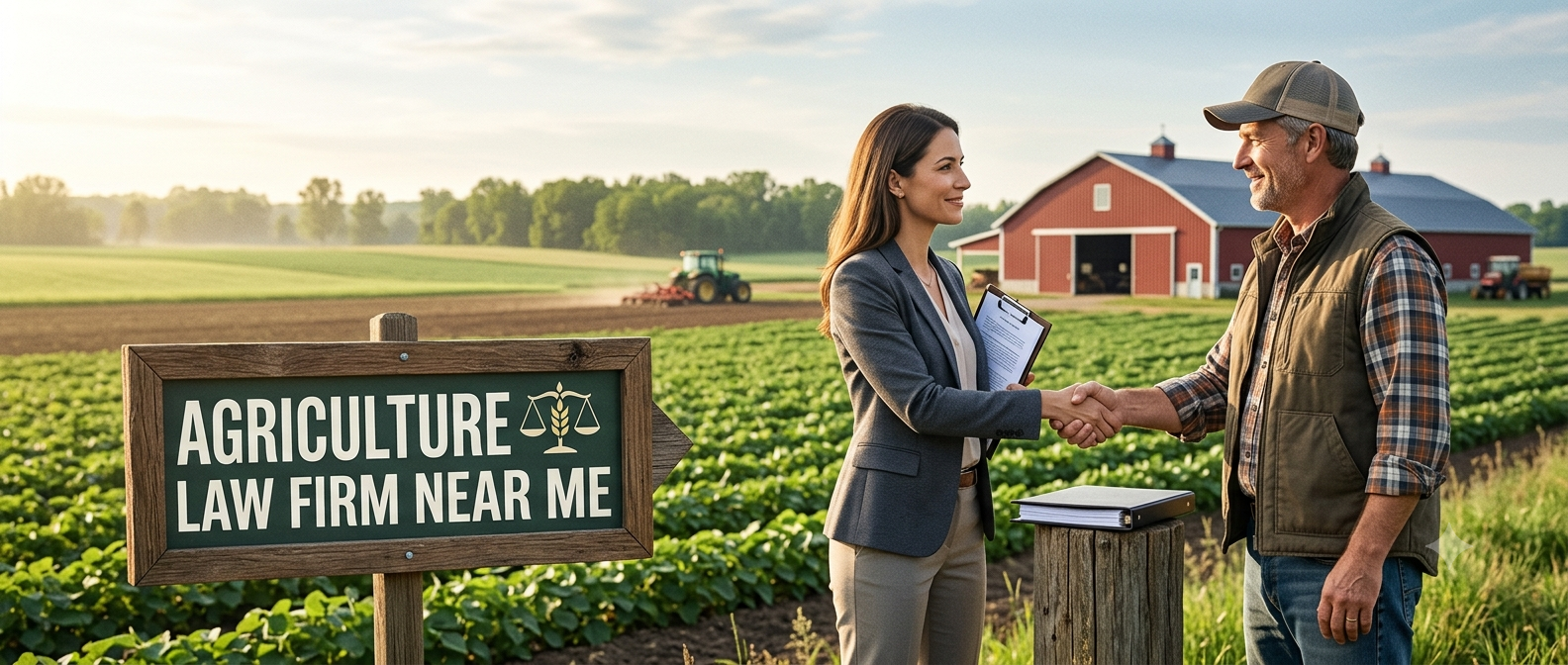
A single contested boundary line or an ambiguous cash rent lease can stop field operations overnight. Agricultural land carries high monetary value and deep generational significance. When disagreements arise over property lines, water runoff, or land transitions, the financial stakes escalate rapidly.
Understanding how real estate law applies to active farming operations helps protect your land investments, family legacy, and seasonal operations.
Common Sources of Agricultural Real Estate Conflicts
Agricultural operations involve complex land use dynamics. Disputes typically stem from unclear verbal agreements, shifting natural boundaries, or third-party land demands.
Boundary Lines and Fencing Rules
Over generations, fence lines can shift away from official survey points. Farmers often rely on long-standing visual markers rather than legal deeds. When a neighboring property sells, the new owner may request a fresh survey that cuts into acres you have farmed for decades. These situations often lead to claims of adverse possession or prescriptive easements.
Farm Leases and Tenant Rights
Verbal handshake agreements remain common across farm country, but they offer little protection when circumstances change. Common lease issues include:
-
Unclear Termination Deadlines: Failing to provide written notice before statutory deadlines can lead to contested access rights.
-
Capital Improvements: Disagreements over who pays for drainage tile, pivot maintenance, or lime applications.
-
Mid-Season Property Sales: Land sales occurring while crops are in the ground, jeopardizing the tenant's right to harvest.
Water Access and Drainage Rights
Water movement does not respect property borders. Issues frequently occur when upstream neighbors alter field drainage, causing excessive runoff, soil erosion, or flooding on lower acreage. Contested irrigation rights can also stall operations during critical growing periods.
Strategies for Preventing Farmland Conflicts
Resolving conflicts early saves time, preserves neighbor relationships, and avoids expensive court proceedings.
Document Every Agreement in Writing
A hand-shake agreement leaves critical details open to interpretation. Comprehensive written contracts should clearly outline rent schedules, crop-share divisions, hunting rights, maintenance duties, and lease termination clauses.
Conduct Regular Property Surveys
Before installing new fencing, clearing timber, or making drainage improvements, verify official boundary lines. A modern professional survey establishes accurate property borders and prevents future encroachment claims.
Plan for Family Property Transitions
Estate transfers frequently create land conflicts among heirs who disagree on whether to keep, rent, or sell farmland. Clear succession plans, trusts, and operating agreements ensure smooth land transitions without court intervention.
When to Consult an Agriculture Legal Specialist
Handling agricultural land disputes requires attorneys who understand state property statutes alongside the practical realities of modern farming. When local negotiations stall, working with experienced professionals like Midwest Ag Law provides targeted guidance to protect your property rights, land titles, and operational continuity. Searching for an agriculture law firm near me connects you with regional specialists equipped to handle quiet title actions, easement negotiations, and complex land agreements.
Securing Your Farmland Assets
Agricultural land forms the foundation of your farming enterprise. Resolving agricultural property disputes requires structured documentation, proactive boundary verification, and experienced legal strategy. By securing precise contracts and addressing land disagreements early, you protect your operational freedom and safeguard your family's agricultural investment for generations to come.
Frequently Asked Questions
Q1: How does adverse possession apply to farm boundaries?
Adverse possession allows a party to claim title to land if they have used it continuously, openly, and exclusively for a period specified by state law.
Q2: Are verbal farm leases legally binding?
Yes, verbal leases can be legally binding, but they often lead to disputes regarding end dates, harvest rights, and maintenance obligations.
Q3: Who is responsible for maintaining boundary fences on farmland?
Responsibility depends on state fence laws, which typically require adjoining landowners to split the construction and repair costs of shared boundary fences.
Q4: Can a neighbor redirect field runoff onto my property?
Landowners generally cannot alter natural water flow in a way that unreasonably damages neighboring land without proper easements or agreements.
Q5: How do I find an agriculture law firm near me?
You can search state bar association directories or consult regional agricultural organizations for law firms specializing in farm real estate and land law.

 English
 Arabic
 French
 Spanish
 Portuguese
 Deutsch
 Turkish
 Dutch
Dutch
 Italiano
 Russian
 Romaian
 Greek
Greek