
Physical Therapy Athens GA: Common Questions Answered
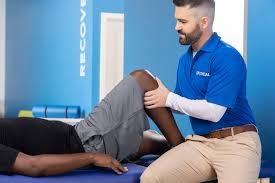
If you're dealing with pain, recovering from an injury, or simply trying to move better, you probably have questions before booking your first appointment. Below, we walk through the most common questions people ask when researching physical therapy options, along with what you can expect from a quality provider in the Athens area.
Athens is a community built around movement, from campus life at the University of Georgia to weekend outings on local trails and greenways. That level of activity naturally brings its share of strains, sprains, and chronic aches, which is exactly why so many residents eventually turn to professional rehabilitation care to get back on track.
"What exactly does a physical therapist do?"
When people search for Physical Therapy Athens GA, they're often unsure what the process actually involves. In short, a physical therapist is a licensed movement specialist trained to evaluate, diagnose, and treat issues affecting your muscles, joints, and nervous system. Rather than simply prescribing medication or rest, therapists use hands-on techniques, targeted exercise, and education to help your body heal and function better long-term.
"What conditions can physical therapy actually help with?"
This is one of the most common questions, and the answer is broader than many people expect. Physical therapy can effectively treat:
- Chronic back and neck pain
- Post-surgical recovery, including joint replacements and ligament repairs
- Sports injuries, sprains, and overuse conditions
- Arthritis and joint degeneration
- Balance issues and fall risk in older adults
- Workplace and repetitive strain injuries
- Poor posture from sedentary work
- Rehabilitation after stroke or neurological injury
Rather than only addressing surface-level pain, a skilled therapist investigates the root cause of your symptoms so the underlying issue actually improves, not just the discomfort.
"What happens during my first appointment?"
Your first visit typically starts with a conversation. Your therapist will ask about your symptoms, how the injury happened (if applicable), your medical history, and your day-to-day activity level. From there, they'll perform a physical evaluation, testing your strength, flexibility, posture, and range of motion to pinpoint exactly what's contributing to your pain.
Once the evaluation is complete, you'll receive a treatment plan built specifically around your needs. This might include hands-on manual therapy, corrective exercises, stretching routines, and practical advice for avoiding movements that could aggravate your condition. Most patients attend sessions over the course of several weeks, with their plan adjusted as strength and mobility improve.
"Why should I choose a local clinic instead of a big chain?"
Local physical therapy providers tend to offer a more personal, consistent experience. Because they see the same community of patients regularly, they're often better at building long-term relationships, tracking progress closely, and adjusting care plans in real time. Many local clinics also maintain close working relationships with area physicians, orthopedic surgeons, and chiropractors, which helps ensure your treatment is well-coordinated rather than fragmented across different providers.
A therapist who understands the Athens community is also more attuned to the specific needs of local patients, whether that's a student-athlete working toward a safe return to competition, a tradesperson managing physically demanding work, or an older adult hoping to stay active and independent at home.
"How do I know when it's time to start physical therapy?"
If pain, stiffness, or limited mobility has lasted more than a few days, or if it's affecting your ability to work, exercise, or enjoy everyday activities, it's usually a good time to seek professional evaluation. Waiting too long can allow a minor issue to develop into a chronic, harder-to-treat condition. Starting care earlier often means a shorter recovery period, a lower risk of re-injury, and in many cases, avoiding the need for more invasive treatment down the road.
Ready to Get Started?
If you've been putting off dealing with pain or limited movement, there's no need to keep pushing through it alone. A qualified local physical therapist can help you understand what's really going on, build a personalized recovery plan, and guide you step by step back toward the activities and lifestyle you enjoy most.
 Portuguese
 English
 Arabic
 French
 Spanish
 Deutsch
 Turkish
 Dutch
Dutch
 Italiano
 Russian
 Romaian
 Portuguese (Brazil)
 Greek
Greek