
Physical Therapy San Ramon: A Complete Approach to Recovery and Improved Mobility
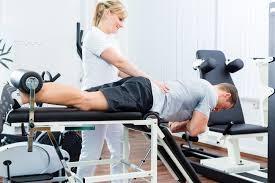
Understanding Physical Therapy
Physical therapy is a rehabilitation-focused healthcare service designed to help individuals improve movement, strength, flexibility, balance, coordination, and functional abilities. People may seek physical therapy after injuries, surgery, accidents, sports-related problems, or periods of reduced activity. It can also support individuals who want to improve physical performance and maintain an active lifestyle. Treatment is generally tailored to the patient's condition, abilities, and goals, allowing exercises and activities to progress as physical function improves. Rather than relying on a single approach, rehabilitation may combine strengthening, mobility work, flexibility exercises, balance training, and functional activities to address different aspects of movement.
Why Movement Matters
Movement is closely connected to independence and quality of life. Everyday tasks such as walking, getting out of a chair, climbing stairs, lifting groceries, reaching for objects, exercising, and participating in hobbies require a combination of physical abilities. When weakness, stiffness, limited mobility, or balance problems interfere with these activities, even simple routines can become more difficult. Physical therapy can help identify specific limitations and create a structured program that addresses them. By focusing on practical goals, rehabilitation can help patients work toward returning to the activities that matter most to them.
Finding Physical Therapy San Ramon Services
If you are searching for Physical Therapy San Ramon, professional rehabilitation can provide individualized support for improving physical function and mobility. Therapy may benefit people recovering from injuries, orthopedic conditions, surgery, accidents, sports-related problems, or other movement challenges. Depending on individual needs, treatment may involve therapeutic exercises, strength training, stretching, balance activities, mobility exercises, and functional movement training. A personalized program can be adjusted as patients progress, helping them work toward practical goals such as returning to work, resuming exercise, improving daily mobility, or participating in recreational activities.
Beginning With a Physical Evaluation
A successful rehabilitation program typically begins with an understanding of the patient's current physical abilities. A physical therapist may evaluate strength, flexibility, range of motion, balance, coordination, posture, movement patterns, and functional performance. The patient can also explain which activities are difficult and identify specific goals for rehabilitation. This information helps establish a starting point for treatment. As therapy continues, progress can be monitored and the program modified when necessary. Regular evaluation helps ensure that exercises remain appropriate for the patient's changing physical abilities.
Creating an Individualized Rehabilitation Plan
Each patient's recovery needs are different. An athlete returning to sport may require strength, endurance, agility, and sport-specific movement training, while someone recovering from surgery may initially need basic mobility and strengthening exercises. An older adult may focus on balance, walking, and maintaining independence. A personalized treatment plan takes these differences into account. Exercises and activities can be selected according to the patient's current condition and gradually progressed as physical capacity improves.
Building Strength Through Therapeutic Exercise
Strength plays an important role in movement and physical independence. Weak muscles can make standing, walking, lifting, climbing stairs, and exercising more difficult. Physical therapy can incorporate progressive strengthening exercises to help patients rebuild muscle capacity. Exercises may begin with controlled movements before gradually increasing in resistance, repetitions, or complexity. Building strength over time can help patients improve functional performance and become more confident when performing everyday activities.
Improving Flexibility and Mobility
Restricted mobility can make many movements uncomfortable or difficult. Stiffness may develop following an injury, surgery, prolonged inactivity, or certain physical conditions. Physical therapy can incorporate stretching and mobility exercises appropriate to the patient's needs. These exercises may help individuals work toward improved range of motion and easier movement. Better mobility can also make it easier to perform strengthening and functional activities effectively.
Improving Balance and Stability
Balance is an essential component of safe and efficient movement. Individuals with balance difficulties may feel uncertain when walking, turning, standing, or navigating stairs. Physical therapy can include controlled balance activities designed to challenge stability and coordination. Exercises can progress gradually as patients develop greater control. Functional balance activities can also simulate everyday situations, allowing patients to practice movements that are relevant to their routines.
Recovering From Sports Injuries
Sports injuries can interrupt training, competition, and recreational activities. Rehabilitation may focus on restoring strength, flexibility, endurance, coordination, and movement control. Depending on the sport, treatment may eventually include running, jumping, landing, changing direction, lifting, throwing, or other specific movements. These activities can be introduced progressively based on the athlete's recovery. Establishing clear activity goals can help guide rehabilitation and provide a structured pathway toward returning to preferred sports.
Rehabilitation After Auto Accidents
Auto accidents can lead to stiffness, weakness, reduced mobility, and other physical limitations. Physical therapy may help individuals address these challenges through individualized rehabilitation. Treatment can include mobility exercises, strengthening, flexibility work, balance activities, and functional training. The rehabilitation plan can be adjusted based on the patient's progress and goals. Patients may work toward improving their ability to walk, work, exercise, and perform everyday responsibilities following an accident.
Supporting Post-Surgical Rehabilitation
Following surgery, individuals may experience weakness, stiffness, reduced range of motion, or difficulty performing normal activities. Physical therapy can support rehabilitation after appropriate medical clearance and according to applicable recommendations. Treatment may begin with basic mobility activities and gradually progress toward strengthening and functional movement. The pace of rehabilitation depends on the procedure and the patient's individual response. A structured program can help patients work toward regaining physical capabilities needed for everyday activities.
Helping Older Adults Maintain Independence
Mobility and independence can become increasingly important as people age. Changes in strength, balance, flexibility, and endurance may make certain tasks more challenging. Physical therapy can focus on practical activities such as walking, standing, transferring between surfaces, climbing stairs, and maintaining stability. Exercises can be adapted to individual abilities and progressed gradually. The goal can be to support confidence and participation in daily activities while addressing specific physical limitations.
Functional Training for Everyday Movement
Functional training focuses on movements that people use outside the therapy setting. Activities may include getting up from a chair, reaching, bending, walking, stepping, lifting, and carrying. Therapists can select functional activities based on the patient's lifestyle and goals. Someone preparing to return to a physically demanding job may require different functional training from someone focused on household activities. Connecting rehabilitation to real-world movement can make therapy more relevant and goal-oriented.
Preparing to Return to Work
Returning to work after an injury may require rebuilding specific physical abilities. Office-based work can involve prolonged sitting, standing, walking, and repeated position changes. Physical jobs may require lifting, carrying, pushing, pulling, bending, or extended periods of standing. Physical therapy can incorporate appropriate exercises and functional movements related to occupational demands. Gradual progression can help patients prepare for the physical requirements of their specific work environment.
Returning to Exercise and Recreation
Exercise and recreation are important parts of an active lifestyle. Hiking, cycling, gardening, fitness training, swimming, and sports each require different combinations of strength, flexibility, endurance, and coordination. After an injury or physical setback, patients may need to rebuild these abilities before returning to their preferred activities. Rehabilitation can help individuals gradually increase physical demands while working toward personal recreational goals.
Following a Home Exercise Program
Physical therapy often extends beyond scheduled appointments. Patients may receive home exercises designed to reinforce strengthening, stretching, mobility, balance, or functional movement. Consistency with an appropriate home program can support the rehabilitation process. Patients should perform exercises according to professional instructions and communicate with their therapist about difficulties or concerns. Home exercises can also help individuals develop long-term movement habits that remain useful after formal therapy ends.
Learning Better Movement Strategies
Education can help patients understand how to move more effectively during rehabilitation and everyday life. Therapists may explain proper exercise techniques, activity progression, body mechanics, and strategies for completing specific tasks. Understanding these concepts can make patients more confident and engaged in their recovery. Education may also help individuals recognize the importance of gradual progression when increasing physical activity.
Measuring Progress Throughout Recovery
Progress is not always measured by one specific result. Improvements may include greater strength, increased range of motion, better balance, improved walking tolerance, or greater ease completing daily activities. Tracking these changes can help patients and therapists understand how rehabilitation is progressing. Treatment can then be modified when appropriate. Recognizing smaller improvements can also help patients stay motivated during longer recovery periods.
Building Confidence With Gradual Progression
An injury or physical limitation can sometimes create uncertainty about movement. People may avoid certain activities because they are worried about discomfort or reinjury. A structured rehabilitation program can gradually introduce more challenging movements. Successfully completing these activities can help patients develop greater confidence. As physical abilities improve, individuals may become more comfortable returning to work, exercise, sports, and other activities.
Maintaining Physical Improvements
Long-term physical function often benefits from continued activity after formal therapy ends. Patients may continue appropriate exercises involving strength, flexibility, mobility, balance, or endurance. Regular physical activity can help support participation in everyday responsibilities and recreational pursuits. Any ongoing exercise program should be appropriate for individual abilities and progressed gradually. Maintaining healthy movement habits can help individuals continue benefiting from the work completed during rehabilitation.
Conclusion: Moving Toward a More Active Future
Physical therapy offers a structured approach to improving strength, mobility, flexibility, balance, coordination, and functional movement. It can support individuals recovering from injuries, surgery, accidents, sports-related conditions, and other physical challenges. For people searching for Physical Therapy San Ramon, personalized rehabilitation can provide guidance based on individual needs and meaningful goals. Through appropriate exercises, functional training, education, and gradual progression, patients can work toward improved physical abilities, greater confidence, and a return to the activities that make everyday life rewarding.

 English
 French
 Spanish
 Portuguese
 Deutsch
 Turkish
 Dutch
Dutch
 Italiano
 Russian
 Romaian
 Portuguese (Brazil)
 Greek
Greek