
How Much Electricity Does an Incinerating Toilet Use?
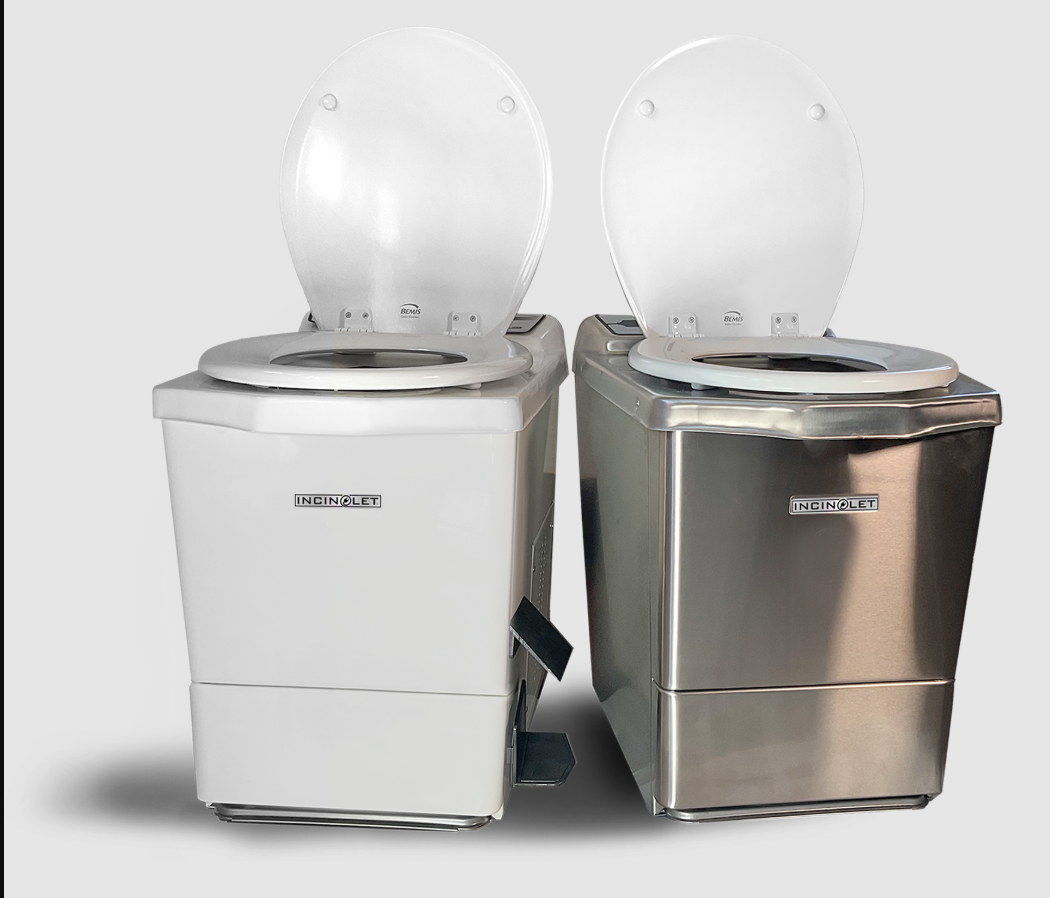
Electricity is an important consideration when choosing an incinerating toilet, especially for cabins, tiny homes, and properties that operate away from the main power grid. Unlike a conventional toilet, an electric incinerating toilet uses electricity to generate the heat needed to process toilet waste. This often leads homeowners to ask, “How much electricity does an incinerating toilet use?”
The exact amount depends on the toilet model, frequency of use, waste load, electrical conditions, and operating cycle.
What Uses Electricity in an Incinerating Toilet?
The primary electrical demand comes from the heating elements that process the waste. A ventilation fan and control components also require electricity during operation.
An Incinolet electric incinerating toilet is designed to process waste through a controlled heating cycle. Rather than using water to flush waste into a septic tank, it uses electric heat to reduce the waste to a small amount of dry ash.
Actual energy consumption can vary, so homeowners should check the specifications for the particular model they are considering.
How Much Power Does It Use Per Cycle?
A typical electric incinerating toilet may consume roughly 1.5–2 kWh per cycle, although the actual figure can differ depending on the model and operating conditions. The number of cycles required also depends on how frequently the toilet is used.
A lightly used vacation cabin will generally have different energy requirements from a tiny home occupied full-time by several people.
Because of this, estimating total electricity consumption should include expected daily usage rather than looking only at the energy used during one cycle.
Can It Work in an Off-Grid Property?
Yes, an Incinolet can potentially be incorporated into an off-grid electrical system. However, the solar panels, batteries, inverter, or generator must be appropriately sized to handle the toilet's electrical requirements.
Battery storage is particularly important for properties that rely on solar power because the toilet may need electricity when sunlight is unavailable. Professional electrical planning can help prevent an undersized system from causing interruptions.
Is the Energy Use Environmentally Friendly?
The environmental impact of an electric incinerating toilet depends partly on where its electricity comes from. A system powered by renewable energy can complement a resource-conscious off-grid lifestyle.
Another potential environmental benefit is water conservation. Since Incinolet does not use water for flushing, it can reduce freshwater consumption compared with conventional water-based toilets.
However, electricity use, ventilation, maintenance, and responsible ash disposal should all be considered when evaluating the system.
Future Potential for Electric Sanitation
As solar technology, battery storage, and energy-efficient electrical equipment continue to improve, electric incinerating toilets could become increasingly practical for remote properties. They may have applications in cabins, tiny homes, recreational buildings, emergency facilities, and locations without conventional sewer infrastructure.
Final Thoughts
So, how much electricity does an incinerating toilet use? A typical cycle may use around 1.5–2 kWh, but actual consumption varies by model and usage. Incinolet provides a water-free sanitation alternative that can be considered for properties where traditional plumbing and septic infrastructure are difficult to install.

 English
 Arabic
 French
 Spanish
 Portuguese
 Deutsch
 Turkish
 Dutch
Dutch
 Italiano
 Russian
 Romaian
 Portuguese (Brazil)