
Causes of Focal Segmental Glomerulosclerosis: Understanding the Different Triggers
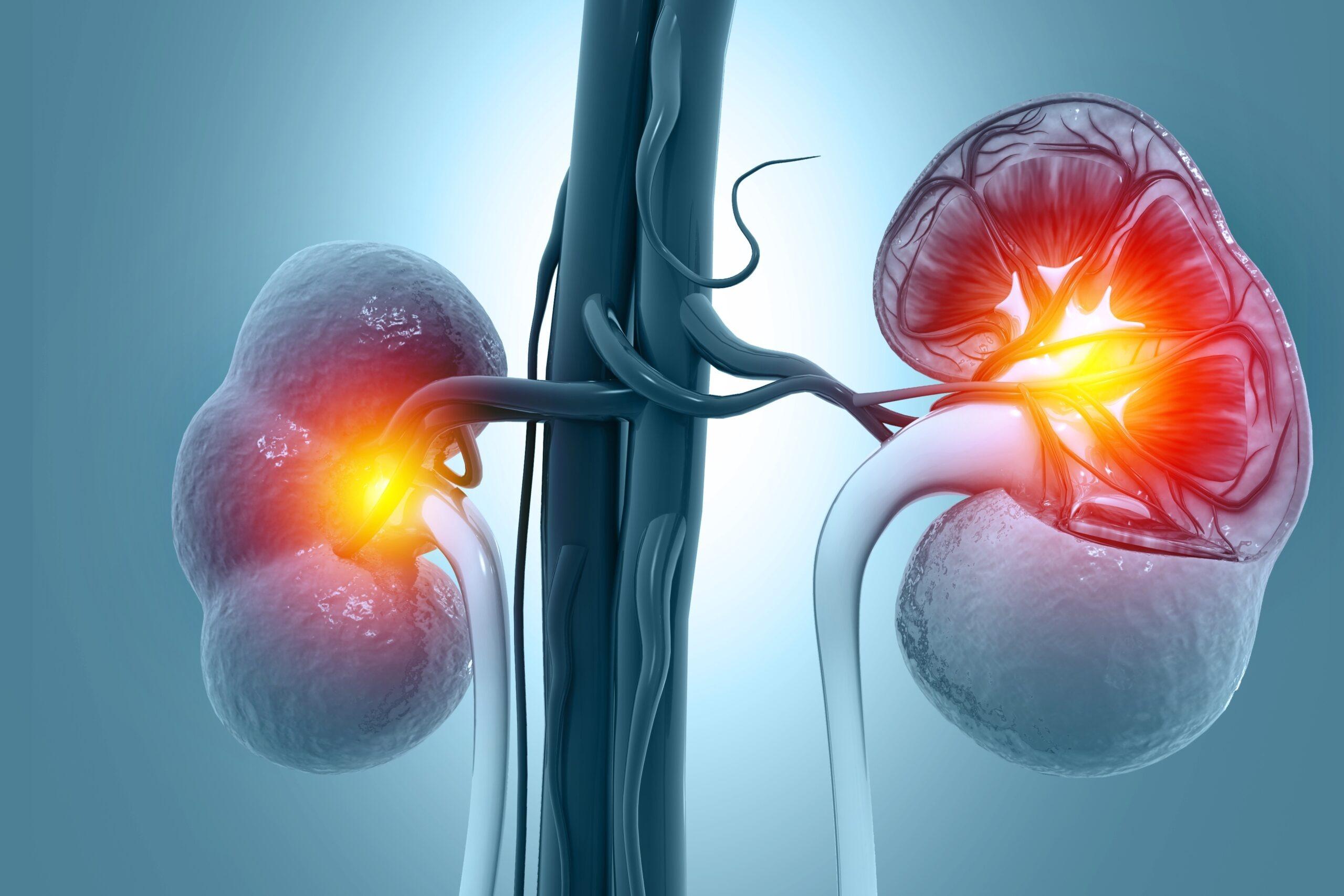
Focal segmental glomerulosclerosis (FSGS) is a kidney condition in which scar tissue develops in parts of some glomeruli, the microscopic structures responsible for filtering blood. Importantly, FSGS describes a pattern of kidney injury rather than one single disease, which means it can develop from several different underlying causes.
Understanding the causes of focal segmental glomerulosclerosis is important because the underlying type of FSGS can influence how doctors approach diagnosis, treatment, and long-term kidney monitoring.
What Causes FSGS?
FSGS is generally classified into four categories: primary, secondary, genetic, and FSGS of undetermined cause. These categories reflect differences in how the kidney damage develops.
1. Primary FSGS
Primary FSGS is sometimes called idiopathic FSGS because there is no clearly identifiable underlying cause. Researchers believe that abnormalities involving the immune system or circulating factors may damage podocytes, which are specialized cells that help maintain the kidney's filtration barrier.
Primary FSGS can cause substantial protein loss through the urine and may be associated with nephrotic syndrome.
2. Secondary FSGS
Secondary FSGS occurs when another condition, exposure, or physical stress causes damage to the glomeruli. Possible contributors include certain viral infections, medications, obesity, and other factors that place stress on the kidney's filtering units. HIV infection is one recognized association.
Unlike primary FSGS, treating the underlying cause can be an important part of managing secondary FSGS.
3. Genetic FSGS
Genetic forms develop because of inherited changes in genes involved in kidney structure or filtration. These genetic changes can affect how podocytes and other components of the glomerular filtration barrier function.
Genetic FSGS can occur in children or adults. A family history of kidney disease may provide an important clue, although not every person with genetic FSGS has an obvious family history.
Genetic testing can sometimes help identify an underlying mutation and distinguish genetic FSGS from other forms. This distinction can be particularly relevant when doctors are considering treatment or assessing kidney-transplant risks.
4. FSGS With an Undetermined Cause
In some patients, doctors cannot identify why FSGS has developed. This does not necessarily mean that there is no biological explanation; rather, the specific mechanism remains unclear.
Researchers continue to investigate genetic, immune, cellular, and environmental factors that may contribute to FSGS.
Risk Factors Associated With FSGS
Although a risk factor is not necessarily a direct cause, certain characteristics are associated with a higher likelihood of developing FSGS. These include:
- Family history of FSGS
- African ancestry
- Obesity
- Premature birth
- Low birth weight
- Certain viral infections, including HIV
APOL1 genetic variants are also relevant to kidney disease risk in some people with recent African ancestry and can be associated with FSGS.
Having a risk factor does not mean that someone will definitely develop FSGS. A healthcare professional must consider the person's medical history, laboratory results, and other clinical findings.
How Do These Causes Damage the Kidneys?
Regardless of the underlying cause, damage to the glomeruli can interfere with the kidney's filtration barrier. One important consequence is proteinuria, meaning excessive protein passes from the blood into the urine.
Proteinuria may cause urine to appear foamy or frothy. Significant protein loss can also contribute to swelling, fluid retention, and low levels of protein in the blood.
If kidney damage continues, overall kidney function may decline. Some people may eventually experience symptoms such as reduced urine output, fatigue, nausea, or poor appetite.
How Is FSGS Diagnosed?
Because several kidney conditions can cause proteinuria, symptoms alone cannot establish an FSGS diagnosis.
A kidney biopsy is commonly used to identify the characteristic pattern of scarring. During a biopsy, a small sample of kidney tissue is examined under a microscope to determine whether some glomeruli have focal and segmental scarring.
Doctors may also use blood tests, urine testing, imaging, medical history, and genetic testing when appropriate.
Why Identifying the Cause Matters
Determining which type of FSGS a person has can be important when developing a treatment strategy. For example, primary FSGS may be managed with therapies that modify immune-system activity, while secondary FSGS requires attention to the underlying condition or factor causing kidney stress.
Genetic FSGS may also respond differently from immune-mediated forms. NephCure notes that patients with genetic FSGS generally do not show a meaningful clinical response to immunosuppressive medicines used to suppress inflammation.
This is why identifying the underlying cause is more than a diagnostic exercise—it can help doctors avoid inappropriate treatment and develop a more individualized approach.
Protecting Kidney Health
People diagnosed with FSGS generally need ongoing monitoring of proteinuria, blood pressure, and kidney function. Following prescribed treatment and attending regular appointments can help healthcare professionals identify changes in kidney health.
Research into FSGS is also continuing, including studies investigating more targeted therapies and approaches based on specific disease mechanisms.
Final Thoughts
The causes of focal segmental glomerulosclerosis can vary considerably between individuals. Primary FSGS may have no clearly identifiable trigger, while secondary FSGS can result from conditions or exposures that damage the kidneys. Genetic changes can cause another form, and some cases remain of undetermined cause.
Because these different forms can require different management strategies, accurate diagnosis and specialist evaluation are essential. Anyone experiencing persistent protein in the urine, swelling, or other signs of kidney disease should consult a qualified healthcare professional.
For additional information about FSGS, its causes, symptoms, diagnosis, and treatment, readers can explore
Medical Disclaimer: This article is intended for general educational purposes and does not replace professional medical diagnosis, advice, or treatment.

 English
 Arabic
 French
 Spanish
 Portuguese
 Deutsch
 Dutch
Dutch
 Italiano
 Russian
 Romaian
 Portuguese (Brazil)
 Greek
Greek