
Outdoor Learning Activities for Preschool Children: Learning Through Nature and Exploration
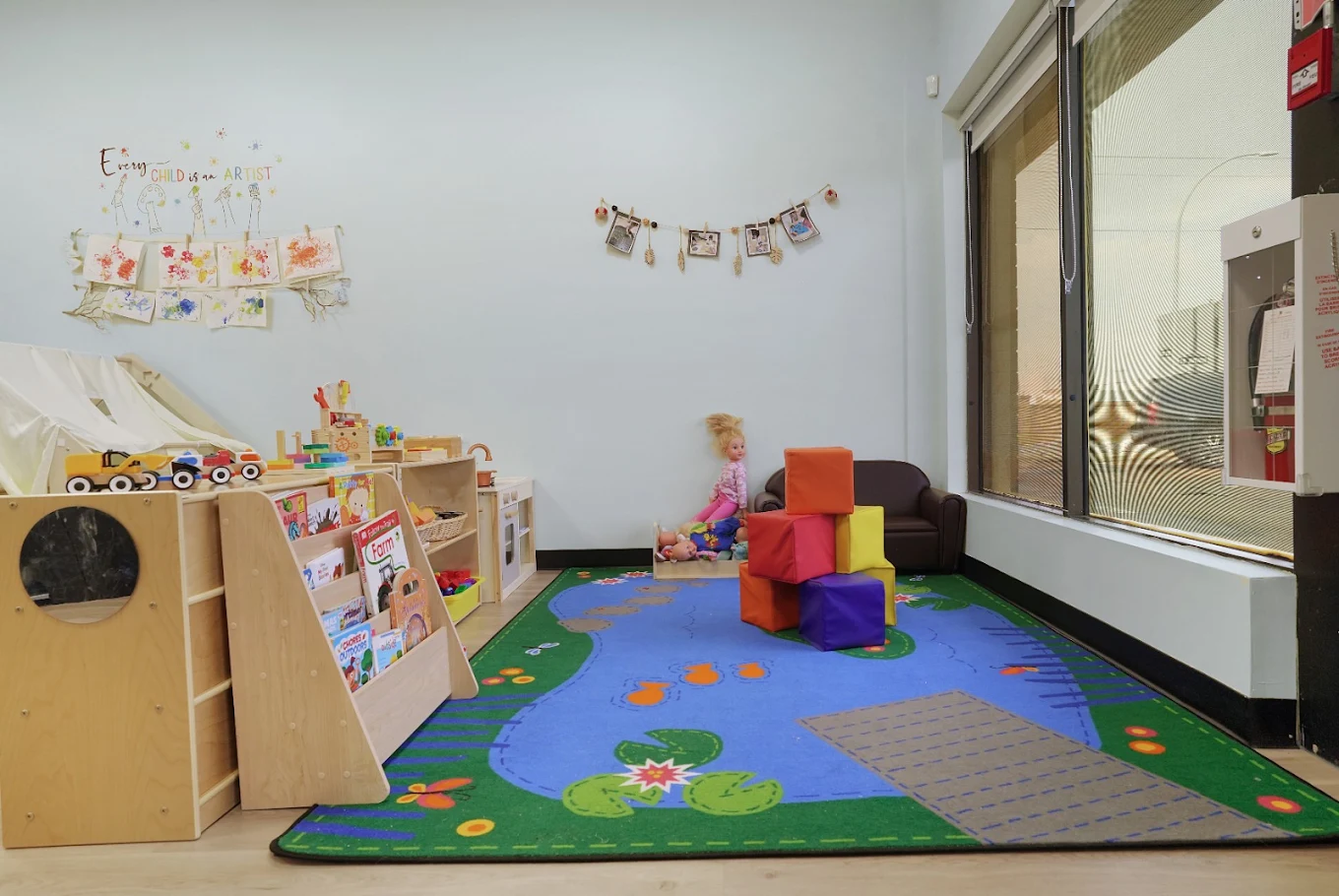
Young children naturally enjoy spending time outdoors. A simple walk, playground visit, garden activity, or nature exploration can become a valuable learning experience when children are encouraged to observe, question, move, and explore. Outdoor environments provide opportunities for preschoolers to learn about nature while also developing physical, social, communication, and problem-solving skills.
For families and educators looking for meaningful activities, outdoor learning activities for preschool children can provide an effective way to combine play with early education. Children do not always need worksheets or formal lessons to learn. Sometimes, observing a leaf, collecting natural objects, or playing a simple outdoor game can introduce important concepts.
Why Outdoor Learning Is Important
Preschool children are active learners. They often understand ideas more easily when they can experience them directly.
Outdoor environments give children space to move, investigate, and interact with their surroundings. They can observe weather, plants, insects, animals, sounds, textures, colors, and changes in their environment.
Outdoor learning can support:
- Physical development
- Coordination
- Communication
- Social interaction
- Creativity
- Problem-solving
- Observation skills
- Confidence
- Curiosity
- Early scientific thinking
Outdoor activities can also provide a change from indoor routines and give children opportunities to use their energy in positive ways.
Exploring Nature
Nature exploration is one of the simplest ways to introduce young children to the outdoor environment.
Children can look closely at leaves, flowers, trees, grass, rocks, and other natural features. Educators can encourage them to describe what they see.
Questions might include:
- What color is the leaf?
- Is it smooth or rough?
- Is this rock heavy or light?
- What sounds can you hear?
- Can you find something that is smaller than your hand?
- What changes when we look at the same place after rain?
These questions encourage children to observe carefully rather than simply walking past their surroundings.
Nature Walks
A nature walk can be adapted for almost any age-appropriate outdoor setting.
Children can walk around a playground, garden, park, or other suitable area while looking for particular objects.
For example, educators might ask children to find:
- A yellow leaf
- A small stone
- A large tree
- Something soft
- Something rough
- A flower
- A bird
- A stick
The goal is not necessarily to collect everything they find. Children can simply observe and discuss their discoveries.
A nature walk can introduce vocabulary while encouraging physical activity.
Weather Observation
Weather provides an excellent everyday learning opportunity.
Preschool children can observe whether the day is sunny, cloudy, windy, rainy, or snowy.
Educators can ask children how the weather feels and what they notice about the environment.
For example:
"Is the wind moving the trees?"
"Do we need a jacket today?"
"What happens to puddles when the sun comes out?"
These simple conversations can introduce concepts related to temperature, clouds, wind, water, and seasonal changes.
Children can also create a simple daily weather chart indoors after returning from outdoor play.
Gardening Activities
Gardening can be an engaging way for children to learn about plants and responsibility.
Preschoolers can participate in age-appropriate gardening tasks such as planting seeds, watering plants, observing leaves, or helping maintain a small garden.
They can learn that plants need suitable conditions to grow.
Children can observe changes over time by checking plants regularly.
Gardening can also introduce early mathematics. Children might count seeds, compare plant heights, or observe how many leaves have developed.
Most importantly, gardening gives children a chance to care for living things.
Outdoor Art
Art does not need to stay inside the classroom.
Outdoor environments can inspire creative activities.
Children might draw what they see, create pictures using safe natural materials, or use outdoor scenery as inspiration for painting.
For example, children could sit outside and draw a tree.
Each child's drawing may look different, which provides an opportunity to discuss observation and creativity.
Outdoor art can also encourage children to notice details they might otherwise overlook.
Learning Colors in Nature
Nature provides many examples of colors.
Children can search for different colors outdoors and identify objects that match them.
An educator might ask:
"Can you find something green?"
"Where can you see yellow?"
"Can you find two different shades of brown?"
This can reinforce color recognition while encouraging children to observe their surroundings.
Older preschoolers can be encouraged to compare similar colors or create a simple outdoor color chart.
Counting and Early Mathematics
Outdoor play can also support early mathematical development.
Children can count steps, trees, objects, playground equipment, or safe natural items.
They can compare sizes and quantities.
For example:
- Which stick is longer?
- Which rock is smaller?
- How many flowers can you see?
- How many children are playing?
- Can we find five leaves?
These activities introduce mathematical concepts naturally.
Children can learn that mathematics exists in everyday environments rather than only on worksheets.
Outdoor Movement Activities
Physical development is an important part of preschool education.
Outdoor spaces provide room for activities such as running, jumping, balancing, throwing, catching, climbing, and dancing.
Simple obstacle courses can be created using safe equipment.
Children might:
- Walk along a designated line.
- Jump over a low obstacle.
- Throw a soft ball toward a target.
- Walk around cones.
- Finish with a simple stretching activity.
Such games can help children practice balance and coordination while having fun.
Scavenger Hunts
Age-appropriate scavenger hunts can encourage children to observe their surroundings carefully.
Instead of requiring children to collect objects, educators can provide a simple picture or verbal list.
For example, children might search for:
- Something green
- A round object
- A bird
- A leaf
- Something that makes a sound
- A flower
Scavenger hunts can be completed individually or as a group.
They can also be adapted to different seasons.
Seasonal Learning
Each season offers different outdoor learning opportunities.
Spring
Children can observe new plants, flowers, insects, and changing weather.
Summer
Children can explore sunlight, shadows, plants, water, and outdoor movement activities.
Autumn
Leaves provide opportunities to explore colors, shapes, textures, and seasonal changes.
Winter
Depending on local conditions and safety considerations, children can observe snow, ice, cold weather, and changes in daylight.
Seasonal activities help children understand that their environment changes over time.
Sensory Exploration Outdoors
Outdoor spaces naturally provide sensory experiences.
Children can listen to birds, feel different textures, smell flowers, observe colors, and notice changes in temperature.
Educators can encourage children to describe what they experience.
For example:
"What does the tree bark feel like?"
"Can you hear the wind?"
"Does this leaf feel smooth or rough?"
These conversations can expand vocabulary while encouraging careful observation.
Encouraging Language Development
Outdoor experiences give children many things to talk about.
An educator can encourage children to describe what they see and explain what they think is happening.
For example, if children see an insect, they might describe its size, color, movement, and location.
Children can also tell stories inspired by their surroundings.
A tree might become the setting for an imaginary story, while a playground can become part of a pretend adventure.
This combines outdoor exploration with language and imaginative play.
Social Learning Outdoors
Outdoor activities can provide opportunities for children to work together.
Group games can teach children to take turns, share equipment, follow rules, and communicate with classmates.
Collaborative activities can also help children learn how to solve small disagreements.
For example, if two children want the same ball, educators can help them practice taking turns or finding another way to play together.
These everyday situations can support social development.
Encouraging Curiosity
Children naturally ask questions about things they do not understand.
Outdoor learning provides countless opportunities for curiosity.
A child might ask:
"Why are the leaves falling?"
"Where did the bird go?"
"Why is the ground wet?"
"How did this flower grow?"
Instead of immediately giving every answer, educators can encourage children to think and make predictions.
"What do you think happened?"
"What could we observe to find out?"
This approach supports early critical thinking.
Safety During Outdoor Activities
Safety should always be considered when planning outdoor learning activities for preschool children.
Activities should take place in suitable environments with appropriate supervision.
Educators should consider:
- Age-appropriate equipment
- Safe boundaries
- Weather conditions
- Appropriate clothing
- Safe walking surfaces
- Supervision requirements
- Potential hazards
- Hygiene and handwashing
Natural exploration should also be carefully planned. Children should be taught not to touch or eat unknown plants, insects, or other objects.
The goal is to provide freedom to explore while maintaining an environment where children can participate safely.
Bringing Outdoor Discoveries Indoors
Outdoor learning does not have to end when children return inside.
Children can continue exploring what they discovered through art, books, conversations, counting activities, or classroom displays.
For example, after observing leaves outside, children might draw pictures of them or compare their shapes.
After watching plants grow, children can discuss what they noticed and create drawings showing the changes.
This helps connect outdoor experiences with classroom learning.
The Role of Educators
Educators play an important role in creating meaningful outdoor experiences.
Instead of directing every moment, they can provide opportunities for children to explore while asking questions and offering support.
Observation is especially important.
If children become interested in insects, educators can use that interest to introduce related books, drawings, counting activities, or discussions.
Following children's curiosity can make learning more meaningful.
Choosing Age-Appropriate Activities
Not every outdoor activity will be suitable for every preschooler.
Younger children may need simpler activities involving walking, observing, collecting safe objects, and basic movement.
Older preschoolers may be ready for more complex scavenger hunts, gardening projects, nature investigations, and cooperative games.
Activities can also be modified for individual abilities.
The objective is participation and exploration rather than competition or perfection.
Conclusion
Outdoor learning activities for preschool children can transform everyday outdoor experiences into valuable opportunities for development. Nature walks, gardening, weather observation, outdoor art, scavenger hunts, movement games, sensory exploration, and simple science activities can help children develop curiosity while strengthening physical, social, communication, and problem-solving skills.
The most effective outdoor learning does not need to be complicated. A tree, garden, playground, or small outdoor space can provide countless opportunities for children to ask questions and discover new things.
By allowing preschool children to explore their surroundings safely and encouraging them to describe, investigate, and experiment, educators can make outdoor time both enjoyable and educational.
When children are given the freedom to learn through nature and play, they can develop a stronger curiosity about the world around them and build positive foundations for future learning.

 English
 Arabic
 French
 Spanish
 Portuguese
 Deutsch
 Turkish
 Dutch
Dutch
 Italiano
 Russian
 Portuguese (Brazil)
 Greek
Greek