
What Does the Liver Do? Functions, Location and Why Liver Health Matters
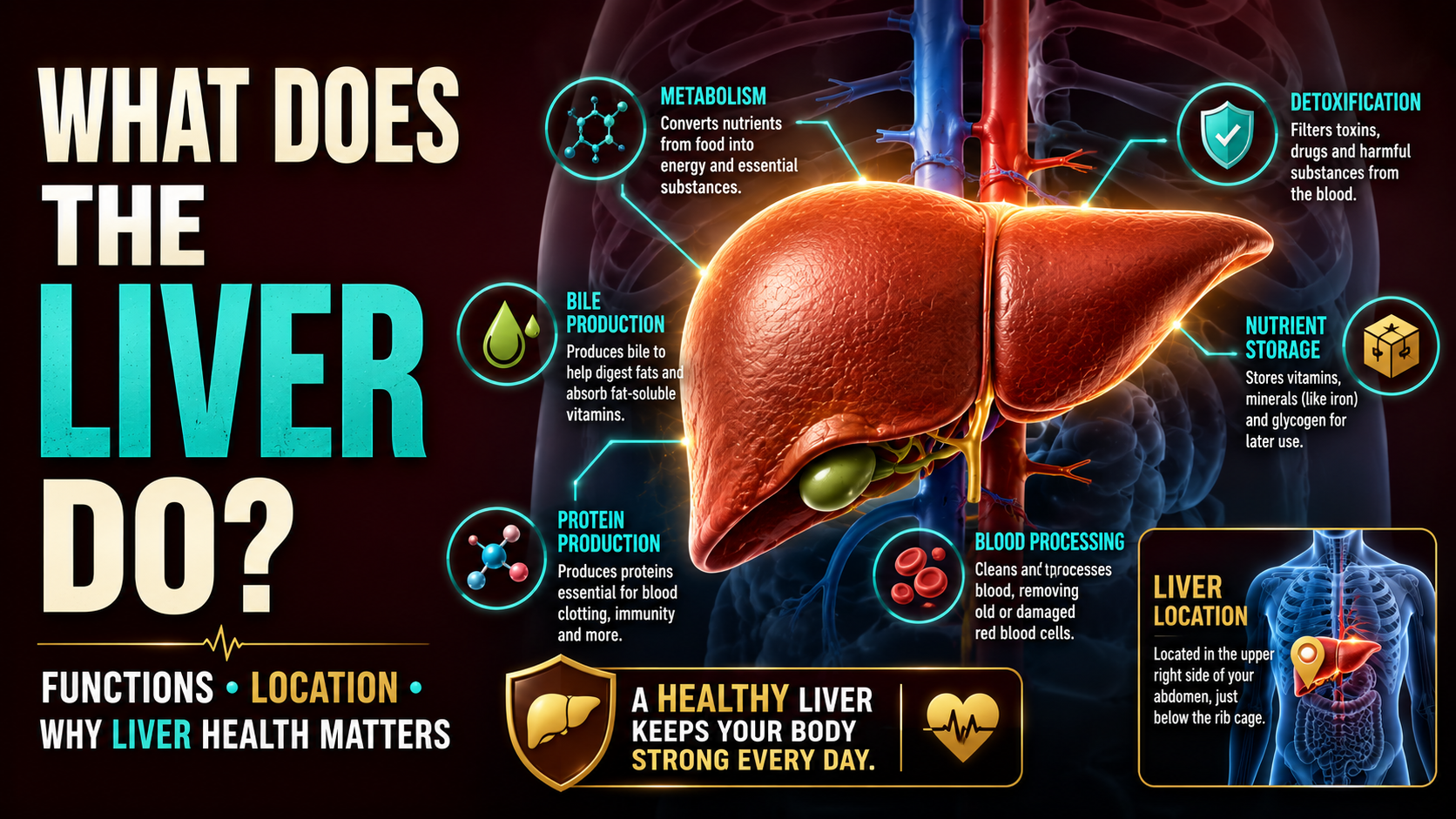
The liver is one of the body's most important organs, performing hundreds of essential functions related to digestion, metabolism, detoxification, immunity, and blood chemistry. Located mainly in the upper-right part of the abdomen, the liver continuously processes nutrients, produces important proteins, stores energy, and helps remove substances the body does not need.
For anyone researching liver health, understanding what this organ does is important because many liver conditions can develop gradually without obvious symptoms. Learning about its functions, location, and warning signs can help people recognize when medical evaluation may be necessary.
Where Is the Liver Located?
The liver is located primarily in the upper-right portion of the abdomen, beneath the diaphragm and behind the lower ribs.
It extends toward the upper middle portion of the abdomen and sits close to several other organs, including:
-
Stomach
-
Gallbladder
-
Pancreas
-
Intestines
-
Right kidney
Because several organs are located in the same region, discomfort in the upper-right abdomen does not automatically indicate a liver problem.
The liver's location is important when understanding symptoms, but proper medical evaluation is needed to determine their actual cause.
How Large Is the Liver?
The liver is the largest internal solid organ in the human body.
Its size varies depending on factors such as:
-
Age
-
Body size
-
Sex
-
Overall health
The liver has two major anatomical lobes, although it is further divided into functional segments used by doctors and surgeons when describing its anatomy.
Its large size reflects the enormous number of functions it performs continuously.
What Does the Liver Do?
The liver performs a wide range of functions that are essential for survival.
Its major roles include:
-
Processing nutrients
-
Producing bile
-
Regulating blood glucose
-
Producing important blood proteins
-
Processing fats and cholesterol
-
Storing certain vitamins and minerals
-
Helping process medications and other substances
-
Supporting immune function
-
Helping regulate blood clotting
The liver is essentially a major processing and metabolic centre for the body.
How Does the Liver Help With Digestion?
The liver produces bile, a fluid that helps the body digest and absorb fats.
Bile is produced in the liver and stored in the gallbladder between meals.
When needed, bile enters the small intestine and helps break down fats into smaller components that the digestive system can process more effectively.
This means the liver plays an important role in digestion even though food does not pass directly through it.
Does the Liver Regulate Blood Sugar?
Yes.
The liver plays an important role in maintaining stable blood glucose levels.
When blood glucose is high, the liver can store some glucose in the form of glycogen.
When blood glucose falls, the liver can release glucose back into the bloodstream.
It can also produce glucose from other substances when needed.
This ability helps maintain an appropriate supply of energy between meals and during periods when the body requires additional fuel.
How Does the Liver Process Fats?
The liver plays a central role in fat metabolism.
It helps process:
-
Fatty acids
-
Cholesterol
-
Triglycerides
-
Lipoproteins
The liver also produces cholesterol and helps package and transport fats through the bloodstream.
However, when excess fat accumulates within liver cells, a person may develop fatty liver disease.
The presence of liver fat does not automatically mean severe liver damage, but persistent liver injury can lead to inflammation and fibrosis in some people.
Does the Liver Store Vitamins and Minerals?
Yes.
The liver acts as a storage site for several nutrients.
These can include:
-
Iron
-
Copper
-
Vitamin A
-
Vitamin D
-
Vitamin B12
-
Vitamin K
The liver can release stored nutrients when the body requires them.
This storage function contributes to maintaining appropriate nutrient levels over time.
How Does the Liver Help Remove Harmful Substances?
The liver helps the body process and modify many substances, including medications and compounds produced during normal metabolism.
It uses complex biochemical reactions to transform substances so they can be handled and eliminated by the body.
This is often described as the liver's "detoxification" function.
However, the popular idea that the liver needs special detox drinks or cleanses is misleading.
A healthy liver already performs its normal detoxification functions without commercial detox products.
Some supplements and herbal products can actually cause liver injury.
Does the Liver Help With Blood Clotting?
Yes.
The liver produces many proteins involved in normal blood clotting.
If severe liver dysfunction develops, production of these proteins can be impaired.
This can contribute to abnormal bleeding or changes in blood-clotting tests.
The liver also produces albumin, an important blood protein that helps maintain fluid balance within the bloodstream.
Does the Liver Support the Immune System?
Yes.
The liver contains specialized immune cells and contributes to the body's defence against substances and microorganisms arriving from the digestive system.
It also helps filter certain substances from blood arriving through the portal circulation.
This gives the liver an important role in both metabolism and immune defence.
What Happens When the Liver Is Not Working Properly?
Liver problems can develop for many different reasons.
Possible causes include:
-
Fatty liver disease
-
Viral hepatitis
-
Alcohol-associated liver disease
-
Certain medications
-
Genetic disorders
-
Autoimmune liver conditions
-
Bile-duct disorders
-
Cirrhosis
The effects depend on the underlying condition and how much liver function has been affected.
Some liver diseases produce few symptoms initially, while advanced disease can cause obvious warning signs.
What Are the Early Signs of Liver Problems?
Early liver disease may produce no noticeable symptoms.
When symptoms do occur, they may include:
-
Fatigue
-
Feeling generally unwell
-
Reduced appetite
-
Nausea
-
Upper-right abdominal discomfort
These symptoms are not specific to liver disease and can have many other causes.
This is why symptoms alone cannot determine whether someone has significant liver damage.
What Are the Warning Signs of Advanced Liver Disease?
More advanced liver dysfunction can cause symptoms such as:
-
Yellowing of the skin or eyes
-
Abdominal swelling
-
Leg or ankle swelling
-
Easy bruising or bleeding
-
Persistent itching
-
Dark urine
-
Pale stools
-
Confusion or unusual drowsiness
These symptoms may indicate significant liver dysfunction or complications of advanced liver disease.
Jaundice, gastrointestinal bleeding, severe confusion, or significant abdominal swelling should receive prompt medical attention.
Can Liver Disease Develop Without Symptoms?
Yes.
This is one of the most important facts about liver health.
Some liver conditions can progress while producing few noticeable symptoms.
For example, fatty liver disease may be discovered during an ultrasound or blood tests performed for another reason.
Similarly, fibrosis may develop before a person experiences obvious symptoms.
Therefore, people with significant risk factors may require medical assessment even when they feel well.
What Tests Check Liver Health?
Doctors can use several types of tests depending on the patient's symptoms and risk factors.
Blood Tests
Blood tests can assess liver enzymes and other markers related to liver function.
Doctors may also evaluate:
-
Blood glucose
-
Cholesterol
-
Triglycerides
-
Blood clotting
-
Other relevant markers
Ultrasound
Ultrasound can help identify structural abnormalities and fat accumulation in the liver.
Elastography
Elastography can measure liver stiffness and help assess possible fibrosis.
Additional Imaging
CT or MRI may be used when more detailed imaging is required.
Liver Biopsy
In selected situations, a biopsy may be considered to examine liver tissue directly.
The appropriate test depends on the suspected liver condition.
How Can You Keep Your Liver Healthy?
There is no single food, drink, or supplement that guarantees liver health.
Instead, focus on sustainable habits.
Important measures include:
-
Maintaining a healthy weight
-
Exercising regularly
-
Eating a balanced diet
-
Limiting highly processed foods
-
Avoiding excessive sugar intake
-
Managing diabetes
-
Managing cholesterol
-
Following medical advice about alcohol
-
Avoiding unnecessary supplements or medications
Regular physical activity and appropriate weight management are particularly important for people at risk of metabolic fatty liver disease.
Can the Liver Repair Itself?
The liver has a remarkable ability to regenerate and repair itself after certain types of injury.
However, this does not mean every form of liver damage is completely reversible.
Early liver problems may improve substantially when the underlying cause is addressed.
Advanced fibrosis and cirrhosis are more serious conditions and require medical management.
The earlier a significant liver problem is identified, the more opportunity there may be to prevent further damage.
When Should You See a Doctor About Liver Health?
You should consider medical evaluation if you have:
-
Persistent fatigue
-
Recurrent upper-right abdominal discomfort
-
Yellowing of the eyes or skin
-
Unexplained weight loss
-
Persistent nausea
-
Abdominal swelling
-
Leg swelling
-
Abnormal liver blood tests
-
Fatty liver detected on imaging
-
Significant risk factors for liver disease
Do not wait for severe symptoms before discussing persistent liver concerns with a doctor.
Some liver conditions can remain silent during their earlier stages.
Conclusion
The liver is a vital organ responsible for far more than detoxification. It helps digest fats by producing bile, regulates blood glucose, processes fats and cholesterol, stores important nutrients, produces proteins involved in blood clotting, processes medications and other substances, and contributes to immune defence.
Because liver disease can develop with few or no symptoms, paying attention to risk factors and abnormal test results is important. Fatigue, upper-right abdominal discomfort, jaundice, abdominal swelling, unexplained weight loss, or other persistent symptoms should not simply be ignored.
Maintaining a healthy weight, exercising regularly, eating a balanced diet, managing metabolic conditions, and avoiding unnecessary supplements can support overall liver health. People with persistent symptoms or abnormal liver tests should receive appropriate medical evaluation rather than relying on home remedies or "detox" products.
For patients seeking specialist medical evaluation and minimally invasive treatment options in Jaipur, consulting an experienced interventional radiologist Jaipur can help determine the appropriate next step based on the underlying condition.
Frequently Asked Questions
What is the main function of the liver?
The liver performs many functions, including processing nutrients, producing bile, regulating blood glucose, processing fats, producing blood proteins, storing nutrients, and processing medications and other substances.
Where is the liver located in the body?
The liver is located mainly in the upper-right portion of the abdomen, beneath the diaphragm and behind the lower ribs. It extends toward the upper middle abdomen.
What are the early signs of liver problems?
Many liver conditions cause no symptoms initially. When symptoms occur, they may include fatigue, feeling unwell, reduced appetite, nausea, or discomfort in the upper-right abdomen.
Can you have liver disease without symptoms?
Yes. Some liver conditions, including fatty liver disease and early fibrosis, can develop without obvious symptoms. Medical testing may detect abnormalities before symptoms appear.
How can I keep my liver healthy?
Maintaining a healthy weight, exercising regularly, eating a balanced diet, managing diabetes and cholesterol, following medical advice about alcohol, and avoiding unnecessary supplements can support liver health.

 English
 Arabic
 French
 Spanish
 Portuguese
 Deutsch
 Dutch
Dutch
 Italiano
 Russian
 Romaian
 Portuguese (Brazil)
 Greek
Greek