
Insulation Nation: Choosing a Professional Insulation Contractor With Confidence
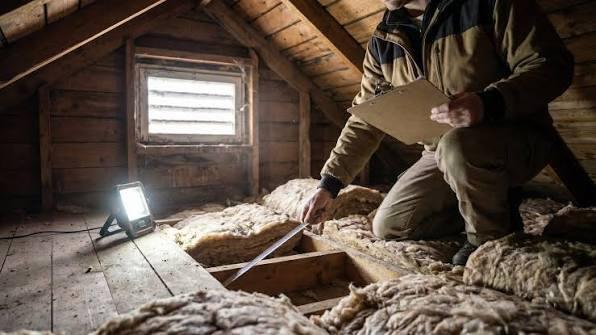
Selecting an insulation professional is an important step when a homeowner wants to improve the thermal performance of a property. Because much of the work takes place in concealed or difficult-to-reach areas, choosing a contractor requires more consideration than simply comparing advertisements or prices. Homeowners should understand the company's approach, the proposed materials, the installation process, and the level of service provided. Insulation Nation offers residential insulation solutions designed to help homeowners address property-specific insulation requirements.
Working with a professional insulation contractor can make the planning process more straightforward. An experienced provider can explain available options, identify potential challenges, and develop a project based on the home's construction. Instead of selecting a solution without understanding its purpose, homeowners can use a contractor's expertise to make decisions that fit their property's actual conditions.
Begin With Your Home's Needs
Before contacting contractors, homeowners should consider what they want to accomplish. The goal may involve improving comfort, addressing drafts, upgrading an older insulation system, or preparing a property for renovation.
Having a clear objective gives contractors useful information when evaluating the home.
However, homeowners should remain open to professional recommendations. The visible symptom may not always identify the underlying issue. A cold room, for example, could involve insulation, windows, ductwork, or air leakage.
Research the Contractor's Experience
Experience is one of the first qualities homeowners should examine. Residential insulation projects can involve different building designs, materials, and installation conditions.
A contractor familiar with homes similar to yours may be better prepared to recognize common challenges. Homeowners can ask about previous residential projects and the types of properties the company regularly serves.
Relevant experience does not eliminate the need for a property assessment, but it can provide confidence that the contractor understands residential applications.
Look for a Thorough Evaluation
A professional contractor should understand the condition of the home before recommending extensive work.
The evaluation may focus on existing insulation, accessible building areas, structural features, and the locations where homeowners have noticed problems.
This approach can help determine whether insulation is actually the appropriate solution.
A contractor who immediately recommends a specific product without considering the property may not provide the level of assessment homeowners need.
Understand the Proposed Solution
Once the property has been evaluated, homeowners should receive an understandable explanation of the recommended work.
The contractor should explain which areas will be treated, what material will be used, and why that particular approach is suitable.
This information allows homeowners to understand the purpose of the project rather than approving work based on technical terms they may not recognize.
Consider Different Insulation Applications
Insulation can be installed in several areas of a home, including attics, walls, floors, ceilings, and crawl spaces.
Each application can involve different access and installation requirements.
For example, an attic may provide direct access to the insulation area, while an existing wall may require a different method because its cavity is enclosed.
A knowledgeable contractor should be able to explain how the property's construction affects the installation strategy.
Understand Material Differences
Homeowners may encounter materials such as blown-in and batt insulation during their research.
Blown-in insulation can be appropriate for certain areas where coverage around irregular spaces is important. Batt insulation can be suitable for particular accessible cavities.
The right choice depends on the application rather than popularity alone. Homeowners should ask why a particular material is recommended and how it fits the intended location.
Ask About Air Leakage
Air movement can affect indoor comfort independently of insulation. Small gaps around plumbing, wiring, ducts, vents, and other penetrations can allow unwanted air to move between spaces.
Air sealing is designed to address these pathways, while insulation primarily slows heat transfer.
Homeowners should ask whether air leakage is relevant to their concerns and whether air sealing should be included in the project.
Check for Moisture Concerns
Moisture can create problems for insulation and surrounding building materials. Water intrusion, condensation, or persistent dampness should be considered before installation.
Attics and crawl spaces can be especially important areas to review.
A contractor should be prepared to identify potential moisture-related concerns and explain whether they could affect the proposed insulation work.
Review Existing Insulation
A professional assessment should also consider the material already installed.
Existing insulation may be adequate in some locations but insufficient or damaged elsewhere. It may have been disturbed during remodeling or affected by moisture.
Homeowners should ask whether the current insulation will remain, be supplemented, or require removal. Understanding this decision can help clarify the overall project scope.
Examine the Estimate Carefully
A written estimate should provide enough information for homeowners to understand what they are paying for.
Important details may include the areas being treated, insulation material, preparation, removal of existing insulation, air sealing, and other associated services.
A detailed estimate also makes it easier to compare multiple contractors.
Look Beyond the Lowest Price
The cheapest estimate is not necessarily the most suitable choice. Contractors can differ in material quality, preparation, installation methods, and project scope.
One proposal may include services that another does not.
Homeowners should compare the complete value of each proposal, including the quality of the assessment and installation, rather than focusing exclusively on the final price.
Consider Colorado's Climate
Colorado's seasonal weather can create different demands on residential buildings. Winter temperatures can make heat retention important, while summer conditions can increase the need to limit unwanted heat gain.
Insulation can help moderate heat movement through treated parts of a home.
However, climate should be considered alongside construction, existing insulation, ventilation, and property-specific conditions.
Evaluate Communication
Communication can reveal a great deal about how a contractor approaches customer service.
A professional provider should answer questions clearly, explain technical recommendations in practical language, and communicate changes if unexpected conditions arise.
Homeowners should feel comfortable asking for clarification before approving work.
Ask About Installation Quality
Installation techniques can influence how effectively insulation performs. Gaps, uneven coverage, excessive compression, and improper placement can create weak areas.
Homeowners can ask how the contractor handles structural obstacles such as framing, wiring, plumbing, and ductwork.
Understanding the installation process can provide additional confidence before work begins.
Plan for the Work
Homeowners should ask what preparation is required before installation. Some projects may involve clearing storage areas, providing access to an attic or crawl space, or addressing existing conditions.
Knowing these requirements beforehand can help prevent unnecessary delays.
The contractor should also explain the expected sequence of work so homeowners understand what will happen during the project.
Why Choose Insulation Nation?
Insulation Nation serves homeowners throughout the Denver metro area with residential insulation solutions. Its services include attic insulation, crawl space insulation, blown-in insulation, batt insulation, and air sealing.
Homeowners can discuss their concerns and property characteristics to explore solutions appropriate for their specific circumstances.
A tailored approach allows the focus to remain on the property's actual requirements rather than applying a standard solution to every home.
Questions That Can Build Confidence
Before hiring a contractor, homeowners can ask:
- What did you identify during the property evaluation?
- Which areas require insulation improvements?
- What material will you use?
- Why is it appropriate?
- Should air sealing be included?
- Are there moisture concerns?
- What happens to existing insulation?
- What preparation is required?
- What is included in the estimate?
- How will the finished work be reviewed?
Clear answers can help homeowners compare contractors and understand the proposed project.
Final Thoughts
Choosing a professional insulation contractor with confidence starts with informed evaluation. Homeowners should consider experience, property assessment, material selection, installation practices, communication, project scope, and overall value.
Rather than choosing based on price alone, homeowners can compare how thoroughly each contractor understands the property and explains the proposed solution. This approach can make the decision more transparent and practical.
Insulation Nation provides Denver-area homeowners with professional residential insulation options for different applications. By understanding their home's needs, asking detailed questions, and reviewing contractor proposals carefully, homeowners can make confident decisions about insulation improvements and take practical steps toward better year-round home performance.

 English
 Arabic
 French
 Spanish
 Portuguese
 Deutsch
 Turkish
 Dutch
Dutch
 Italiano
 Russian
 Romaian
 Portuguese (Brazil)