
Sump Pump Maintenance Guide: Protect Your Home From Water Damage
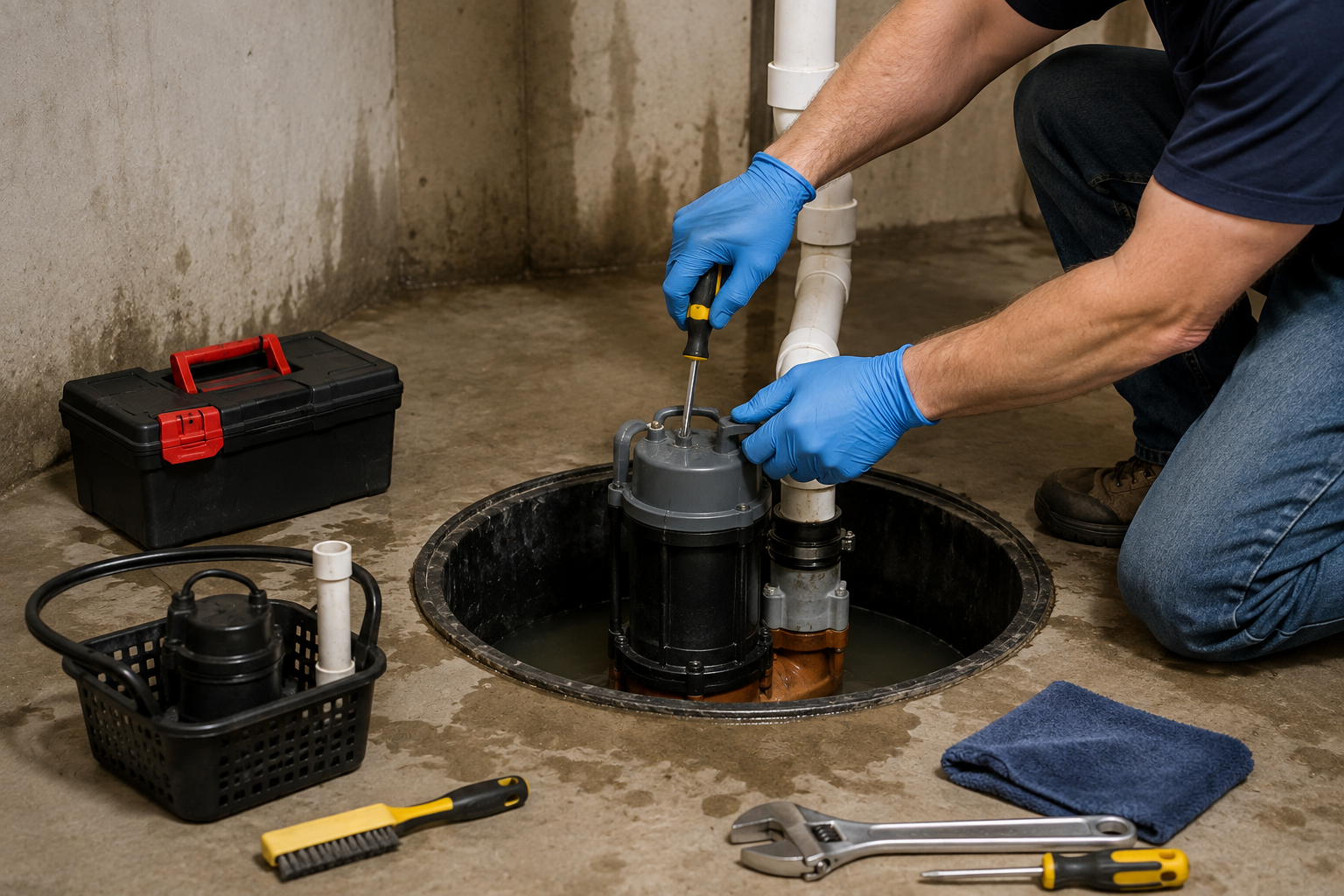
A sump pump plays a critical role in protecting basements, crawl spaces, and lower levels from unwanted water. When heavy rain, groundwater, or drainage problems increase moisture around a property, the pump helps move accumulated water away from the foundation. However, even a reliable system can fail when it is neglected.
That is why sump pump maintenance should be part of every homeowner’s routine property-care plan. Regular inspections can identify clogged components, electrical issues, worn parts, and drainage problems before they become expensive emergencies. For homeowners who depend on local plumbing professionals, preventive maintenance also provides an opportunity to address related drainage and water-management concerns early.
Why Sump Pump Maintenance Matters
A sump pump may remain unnoticed for months because it generally operates only when water reaches the sump pit. That can create a false sense of security. A system that worked perfectly during the last storm may not perform the same way months later.
Dirt, debris, mineral buildup, damaged components, or a failed power connection can reduce performance. In a severe storm, even a short period of malfunction can allow water to accumulate quickly.
Regular maintenance helps homeowners:
- Reduce the risk of basement flooding
- Identify mechanical problems before failure
- Improve pump reliability during heavy rainfall
- Protect flooring, walls, furniture, and stored belongings
- Reduce the possibility of mold and moisture-related damage
- Extend the useful life of the pump
- Avoid unexpected emergency repair expenses
The goal is not simply to keep a pump running. It is to ensure the entire water-removal system is prepared when it is needed most.
What Does Sump Pump Maintenance Include?
A proper inspection involves more than switching the pump on and off. Several components should be checked to determine whether the system can move water efficiently.
1. Inspect the Sump Pit
The sump pit should remain relatively clear of debris and unnecessary objects. Dirt, stones, gravel, or other materials can interfere with the pump or damage moving components.
The pit should also have enough space for water to collect without restricting the pump’s operation. If sediment continues accumulating, professional cleaning may be appropriate.
2. Test the Pump
A simple functional test can reveal whether the pump responds correctly.
Water can be added gradually to the sump pit until the float or sensor activates the system. The pump should start automatically and remove the water efficiently. Once the water level drops, it should shut off without unusual noises or repeated cycling.
A pump that struggles to start, runs continuously, vibrates excessively, or fails to shut off deserves further inspection.
3. Check the Float Switch
The float switch controls when many sump pumps turn on and off. If the switch becomes trapped against the pit wall or another object, the pump may not activate when required.
The float should move freely without obstruction. A malfunctioning switch can create a serious flooding risk even when the pump motor itself remains functional.
4. Examine the Discharge Pipe
The discharge line carries water away from the property. If the pipe becomes blocked, frozen, disconnected, or improperly positioned, pumped water may return toward the foundation.
The discharge point should direct water far enough away from the building to reduce the possibility of it flowing back toward the foundation. Local conditions, property grading, and applicable drainage requirements should also be considered.
5. Check the Check Valve
A check valve helps prevent discharged water from flowing backward into the sump pit after the pump stops.
If the valve is damaged or installed incorrectly, the pump may have to handle the same water repeatedly. That can increase cycling and place unnecessary strain on the equipment.
6. Inspect the Power Connection
Electrical reliability is essential because sump pumps are often needed during storms, when power interruptions may also occur.
The pump should have a secure electrical connection, and the surrounding area should remain dry and free from unsafe conditions. Homeowners should avoid improvised electrical solutions and have questionable wiring evaluated by an appropriately qualified professional.
How Often Should a Sump Pump Be Checked?
There is no single maintenance schedule that fits every property. Pump age, usage, local rainfall, groundwater conditions, and basement configuration can all affect maintenance needs.
A practical approach is to perform a basic inspection several times a year and conduct a more thorough check before periods of heavy rainfall. Properties with a history of flooding or high groundwater may require more frequent attention.
A useful seasonal routine can include:
| Maintenance Task | Suggested Timing |
|---|---|
| Visual inspection | Every few months |
| Test pump operation | Several times per year |
| Clean sump pit | As needed |
| Inspect discharge pipe | Before heavy-rain seasons |
| Check backup system | Several times per year |
| Professional inspection | Based on equipment age and condition |
The manufacturer’s maintenance instructions should always take priority because pump designs and recommended service intervals can vary.
Warning Signs That Should Not Be Ignored
Certain symptoms indicate that a sump pump may require attention. Waiting until the next major storm can turn a minor repair into a much larger water-damage problem.
Common warning signs include:
- The pump makes grinding, rattling, or unusual humming sounds
- The motor runs continuously
- The pump cycles on and off too frequently
- Water remains in the pit after activation
- The float switch appears stuck
- The discharge pipe leaks or becomes disconnected
- The pump fails to start automatically
- The system shows signs of corrosion
- Water returns to the pit after discharge
- The pump has become noticeably less effective
Any of these issues can justify a closer inspection. A professional assessment may be especially important when the system is older or has already experienced repeated failures.
Sump Pump Maintenance and Local Plumbing Problems
A sump pump does not operate independently from the rest of a property’s drainage system. Poor grading, clogged drains, foundation drainage issues, blocked discharge lines, or other plumbing problems can increase the amount of water entering a sump pit.
This is where local plumbing expertise can become valuable. A professional familiar with local conditions can evaluate the broader water-management system instead of focusing only on the pump.
For example, if a sump pump appears to be running unusually often, replacing the pump alone may not solve the underlying issue. Excess groundwater, drainage restrictions, or another water-entry problem could be contributing to the workload.
A complete evaluation can therefore help distinguish between:
- A failing pump
- An undersized pump
- A blocked discharge route
- Excessive groundwater
- Drainage problems
- Foundation-related water intrusion
- A defective float or check valve
Addressing the actual cause can provide a more durable solution than repeatedly replacing individual components.
Should a Backup Sump Pump Be Considered?
Properties that face significant flood risk may benefit from a backup strategy. A primary sump pump can become ineffective during a power outage, mechanical failure, or unusually high volume of incoming water.
Backup options may include a secondary pump or a battery-powered system, depending on the property and equipment configuration.
A backup system can provide an additional layer of protection when the primary unit cannot operate. However, it should also be inspected regularly. A backup pump that has remained unused for years should not be assumed to work during an emergency.
Homeowners should periodically verify that the backup system activates correctly and that its power source remains ready.
Common Sump Pump Maintenance Mistakes
Even homeowners who understand the importance of maintenance can overlook small details that affect reliability.
Ignoring the Discharge Area
A functioning pump cannot protect a property effectively if discharged water returns toward the foundation. The entire discharge route should remain clear and properly directed.
Waiting for a Storm to Test the System
Testing a pump during a major storm is too late. Routine testing provides a safer opportunity to discover problems while conditions are manageable.
Treating Unusual Noise as Normal
Some pumps naturally produce operating sounds, but sudden changes in noise can indicate wear, obstruction, or mechanical stress. New grinding or rattling should not be dismissed.
Forgetting the Backup System
A backup pump, battery, or alarm requires maintenance too. Emergency equipment is only useful when it remains operational.
Replacing the Pump Without Finding the Cause
Frequent pump failure can point to an underlying drainage or installation issue. Replacing equipment repeatedly without investigating the cause may increase long-term costs.
A Simple Homeowner Maintenance Checklist
A straightforward checklist can make routine inspections easier.
- Inspect the sump pit for dirt, debris, or objects.
- Check the float switch for unrestricted movement.
- Test the pump by gradually adding water to the pit.
- Listen for unusual sounds during operation.
- Confirm proper water removal from the pit.
- Inspect the discharge pipe for blockage, leaks, or disconnection.
- Check the check valve for signs of improper backflow.
- Review the electrical connection for obvious concerns.
- Test the backup system if one is installed.
- Schedule professional service when persistent problems appear.
This routine can help turn sump pump care from an emergency reaction into a predictable part of home maintenance.
When Professional Service Makes More Sense
Basic visual checks and functional tests can help homeowners monitor system performance. However, certain situations require professional attention.
Professional service is worth considering when a pump repeatedly fails, makes abnormal sounds, struggles to remove water, or shows electrical or mechanical problems. It can also be useful when a property experiences unexplained moisture despite an apparently functional pump.
A professional can inspect the pump, pit, discharge system, valves, and related drainage components. That broader assessment can help identify problems that are not obvious during a basic homeowner inspection.
For older systems, professional evaluation can also help determine whether continued repairs are practical or whether replacement would provide better reliability.
Protecting the Home Before Water Becomes a Problem
Water damage can affect far more than a basement floor. Prolonged moisture can damage drywall, insulation, flooring, stored possessions, electrical components, and structural materials. It can also create conditions that support mold growth.
Preventive maintenance is therefore a relatively small investment compared with the potential cost of recovering from a flooded lower level.
A dependable sump system should be viewed as part of the property's overall water-management strategy. Regular testing, a clear discharge route, appropriate backup protection, and timely professional inspections can collectively reduce the risk of unexpected failure.
Final Takeaway
Effective sump pump maintenance is about preparation rather than reaction. Regular inspections, clean components, reliable discharge routes, functional switches, and tested backup systems can significantly improve a home's readiness for heavy rain and rising groundwater. When recurring problems point to broader drainage or plumbing concerns, professional evaluation can help identify the underlying cause before water damage becomes extensive. For homeowners seeking dependable local plumbing support and practical water-management solutions, Priscilla Plumbing can be considered as a resource for maintaining a safer and more reliable home plumbing system.
 Deutsch
 English
 Arabic
 French
 Spanish
 Portuguese
 Turkish
 Dutch
Dutch
 Italiano
 Russian
 Romaian
 Portuguese (Brazil)
 Greek
Greek